Reasons You Require Professional Wildlife Control Solutions for a Safer Home Setting
Wildlife encroachments pose substantial risks to residential security. Many homeowners underestimate the possible hazards associated with wildlife in their homes. Expert wildlife removal services offer essential knowledge in handling these risks. They not only address current invasions but also establish measures to avoid future occurrences. Understanding the health consequences and the methods employed by these experts is vital for preserving a secure home setting. What particular dangers do these animals pose, and how can experts effectively reduce them?
The Reasons You Should Feel Worried About Animal Intrusions
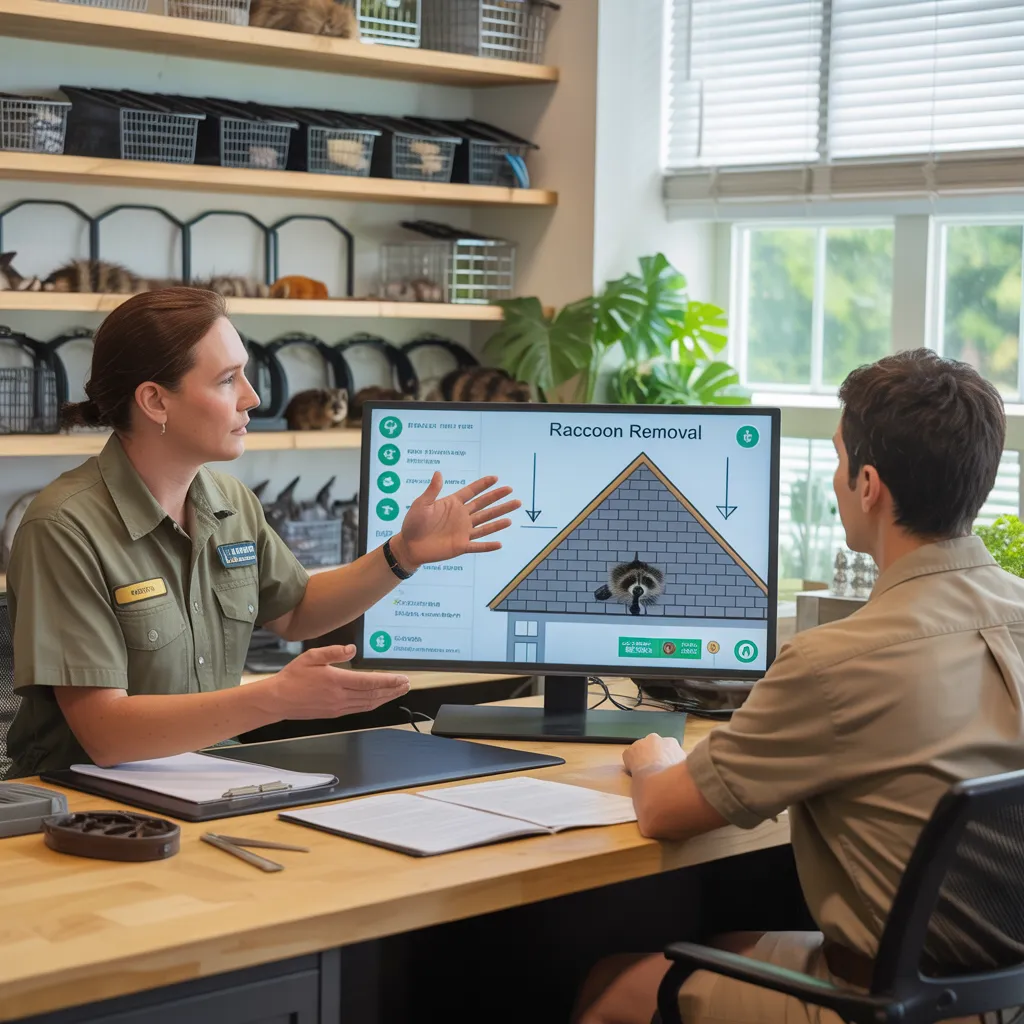
Animal intrusions represent considerable risks to homes and properties. Creatures like raccoons, squirrels, and bats can breach buildings, causing potential harm and protective concerns. These invasions commonly lead in building damage, including chewed wiring, insulation damage, and weakened roof systems. Moreover, wildlife can introduce parasites including fleas and ticks, which can impact both human and pet health.
In addition, many wild animals carry infections that pose wellness hazards to residents. Rabies, hantavirus, and leptospirosis are just a select samples of the dangers presented by these intruding animals. Their presence can create an environment of fear and unease for house owners, disrupting routine activities and peace of mind.
Dismissing the signals of creature encroachment can trigger mounting difficulties, making rapid identification and action imperative. Recognizing the effects of animal trespassing is vital for upholding a protected and safe residential setting.
Why Trained Wildlife Removal Is Critical for Safety
When property owners experience wildlife intrusions, getting professional removal services becomes essential for ensuring safety. Wild beings, such as raccoons, squirrels, or bats, can bring various threats, including property harm and potential harm to occupants. These creatures may bite through electrical wiring, weaken structural integrity, or create unsanitary conditions.
Skilled wildlife removal specialists possess the required expertise and equipment to manage these situations with safety and efficiency. They comprehend animal behavior and can execute humane removal approaches, reducing anxiety for both the wildlife and the homeowners. Moreover, professionals can identify entry points and provide suggestions for future prevention, reducing the likelihood of recurring problems.
What Health Threats Associated With Wildlife in Your Home?
Encountering animals inside the home introduces several wellness threats that homeowners may not immediately recognize. Species such as raccoons, rodents, and bats can host assorted diseases that represent considerable threats to individual health. For instance, raccoons are established carriers of rabies, which can be mortal without swift health intervention. Rodents, including mice and rats, can transmit hantavirus and salmonella through their droppings and urine, potentially contributing to critical respiratory ailments and stomach illnesses.
In addition, wildlife can introduce parasites like fleas, ticks, and mites into the home, which can affect both humans and pets. The presence of these pests may lead to immune responses and skin irritations. Moreover, the structural damage caused by wildlife can create hidden hazards, such as mold growth from moisture accumulation. As a result, understanding these health risks underscores the importance of addressing wildlife issues promptly and effectively.
How Wildlife Removal Professionals Address Health Hazards
To efficiently lessen health risks connected with wildlife in homes, experts utilize a methodical approach that stresses safety and thoroughness. Initially, wildlife removal specialists perform a thorough inspection to locate entry points and evaluate the extent of the infestation. This assessment allows them to recognize potential health hazards, such as the spread of zoonotic diseases.
When the evaluation is complete, professionals utilize helpful resource humane trapping methods to safely remove the animals, minimizing stress on both the creatures and residents. They also wear protective gear to avoid direct contact with wildlife and any contaminants that might be present.
Following removal, experts meticulously clean and decontaminate the affected areas, managing feces, urine, and nest components, which may harbor pathogens. This cleanup process is vital to establishing a safe environment. By executing these guidelines, wildlife removal experts significantly reduce potential health dangers, delivering peace of mind to homeowners.
How Preventative Approaches Can Guard Your Home From Wildlife
Preventative initiatives play an essential role in shielding homes from animal encroachment, as active prevention can notably reduce the likelihood of uninvited interactions. Homeowners can begin by plugging holes and fractures in foundations, walls, and roofs, which serve as entry points for various animals. Installing tough protective screens on air vents and fireplace openings further strengthens protection.
Maintaining a neat yard is vital; removing food sources, such as pet food or fallen fruits, can deter wildlife from approaching. On a regular basis cutting back trees and shrubs can eliminate potential nesting sites and block access to roofs. Additionally, ensuring trash bins with tight-fitting lids minimizes lures.
Installing motion-activated lights and sound devices can also prevent nocturnal wildlife from nearing homes. Through implementing these preventive approaches, homeowners can greatly lower the risk of wildlife trespassing, ensuring a more protected and pleasant living environment.
How to Select the Right Wildlife Removal Service
Selecting the right wildlife removal service requires careful scrutiny of licensing and certification, as these papers assure compliance with local regulations. Additionally, evaluating the experience and expertise of the service provider can significantly influence the effectiveness of the removal process. Making a well-informed decision can lead to a more productive resolution of wildlife issues.
Registration And Endorsement Requirements
Picking a wildlife management service necessitates diligent assessment of licenses and certifications to guarantee safety and legality. Licensed technicians follow state and local regulations, ensuring compliance with wildlife protection laws. Certification from credentialed institutions signifies that the service provider has satisfied industry standards in humane trapping and removal practices. It is essential to verify the credentials of any wildlife removal service, as this not only shows their dedication to ethical practices but also safeguards homeowners from potential legal problems. Furthermore, certified services frequently invest in ongoing training, keeping their methods updated with the latest strategies and rules. Thus, verifying licensing and certification is a critical step in selecting a reliable and accountable wildlife control company.
Proficiency And Skill Tiers
An wealth of expertise and experience can impact the effectiveness of a wildlife control operation. Organizations with extensive backgrounds in the industry retain the required skills to accurately identify animal species and understand their behavioral patterns. This comprehension facilitates tailored solutions that guarantee safe and humane removal. In addition, experienced professionals are well-versed in local codes and statutes, which aids in compliance and minimizes legal issues.
When deciding on a animal removal company, it is sensible to review feedback from customers and learn about the crew's training and certifications. A credible company should also provide ongoing education for its workers, ensuring they keep current on best practices and techniques. Ultimately, selecting a provider with demonstrated history can lead to a more secure residence.
Regularly Requested Inquiries
How Much Does Wildlife Removal Typically Price?
Wildlife removal costs generally fall from $100 to $1,500, depending on factors like the type of animal, the extent of the invasion, and the specific services needed. Prices vary considerably based on location and company.
What Types of Wildlife Are Commonly Removed?
Wildlife that is frequently eliminated includes raccoons, squirrels, bats, and opossums. These animals often enter homes, causing potential hazards. Professional services effectively manage their removal, providing protection and avoiding further infestations in residential areas.
Is Wildlife Control Performed in a Humane Manner?
Wildlife removal approaches can be humane, emphasizing safe relocation rather than extermination. Experts often utilize exclusion methods and traps created to reduce injury, guaranteeing that animals are treated ethically while addressing human-wildlife conflicts effectively.
What is the timeframe of the removal process?
The removal process typically lasts several hours through several days, determined by the organisms present, the magnitude of the issue, and the strategies applied. Each situation requires a bespoke plan for favorable results.
Will Wildlife Return Following Removal?
Yes, creatures can return after takeout if proper preventive measures are not adopted. Securing access zones and removing attractants are vital actions to guarantee that animals do not re-inhabit the property in the future.